
Every metal structure quote starts with a size. Fewer buyers stop to think about roof style — until they're comparing two quotes for the same footprint that come in at noticeably different prices. That gap is almost always the roof.
Regular, vertical, and boxed eave roofs aren't just cosmetic choices. Each one trades off cost, durability, and maximum buildable length differently, and picking the wrong one for your region or your structure's length is one of the more expensive mistakes to fix after the fact.
Regular Roofs: The Economical Baseline
A regular roof carport has rounded edges and horizontal panels running across the structure. It's the most economical roof style Union Steel offers, and it holds up fine in areas without heavy wind or snow. If you're covering a vehicle in a mild climate and don't need maximum wind resistance, this is usually the right starting point — no reason to pay for weather resistance you don't need.
A-Frame Roofs: A Middle Ground
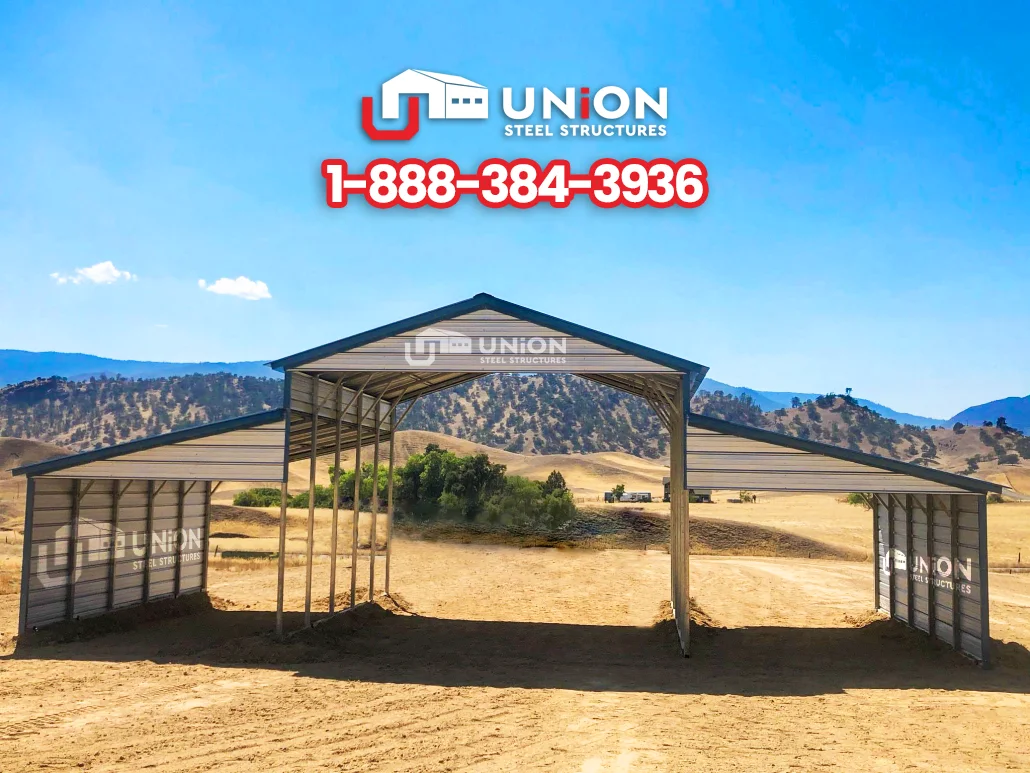
An A-frame horizontal roof splits the difference between regular and vertical. It offers more weather resistance than a regular roof without the full cost jump to a vertical roof, which makes it a reasonable pick if your region gets occasional heavy weather but doesn't require full certification-grade wind resistance.
Vertical Roofs: Built for Harsher Conditions
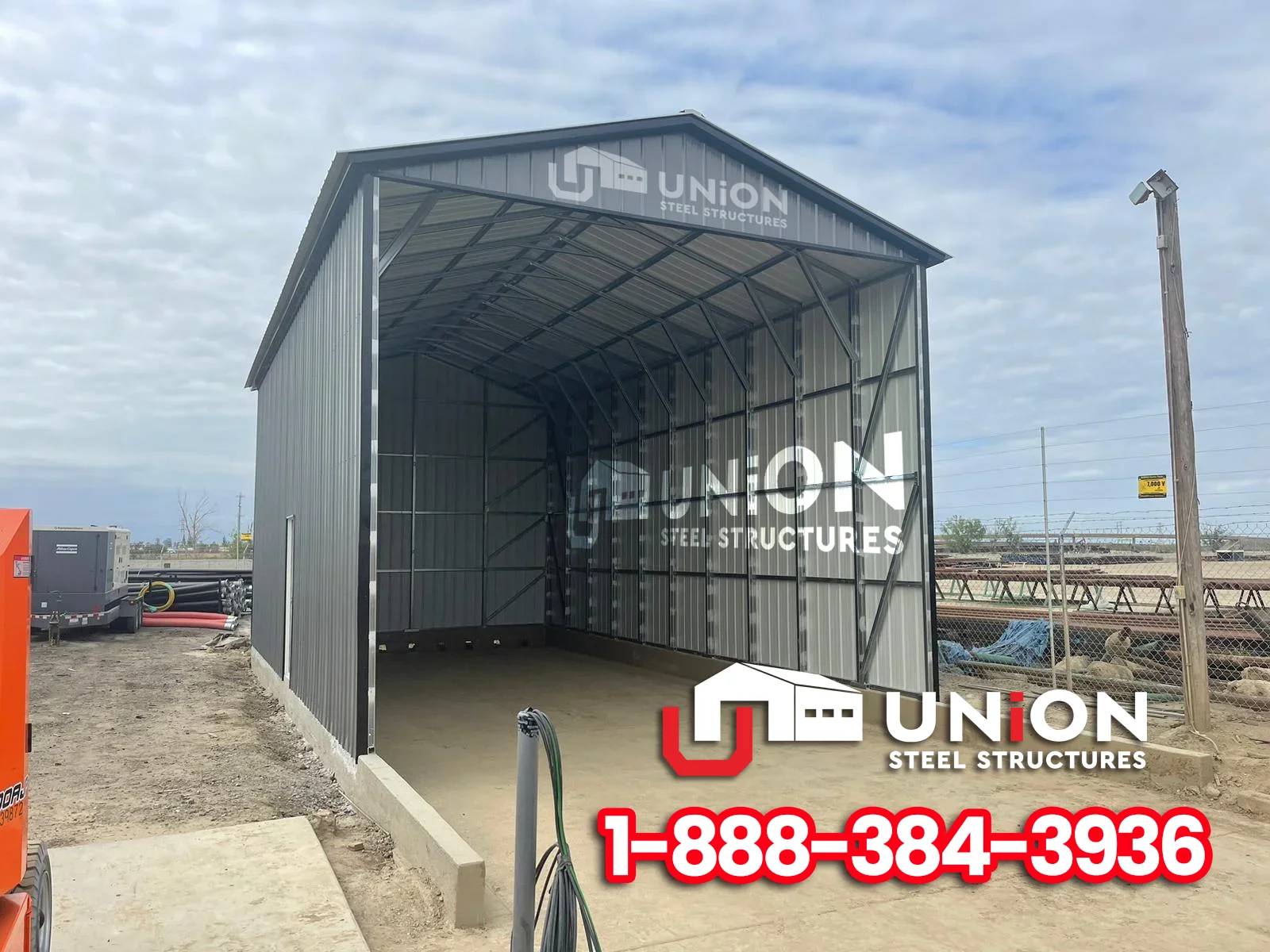
A vertical roof is the most durable of the three and, per our full building specs, the one Union Steel requires once a structure runs longer than 31 feet, regardless of region. If you're in an area with real wind or snow exposure, or you're building something long enough to trigger that requirement anyway, a vertical roof isn't really optional — it's the style engineered to hold up under load rather than just shed water.
Boxed Eave Roofs: A Different Category
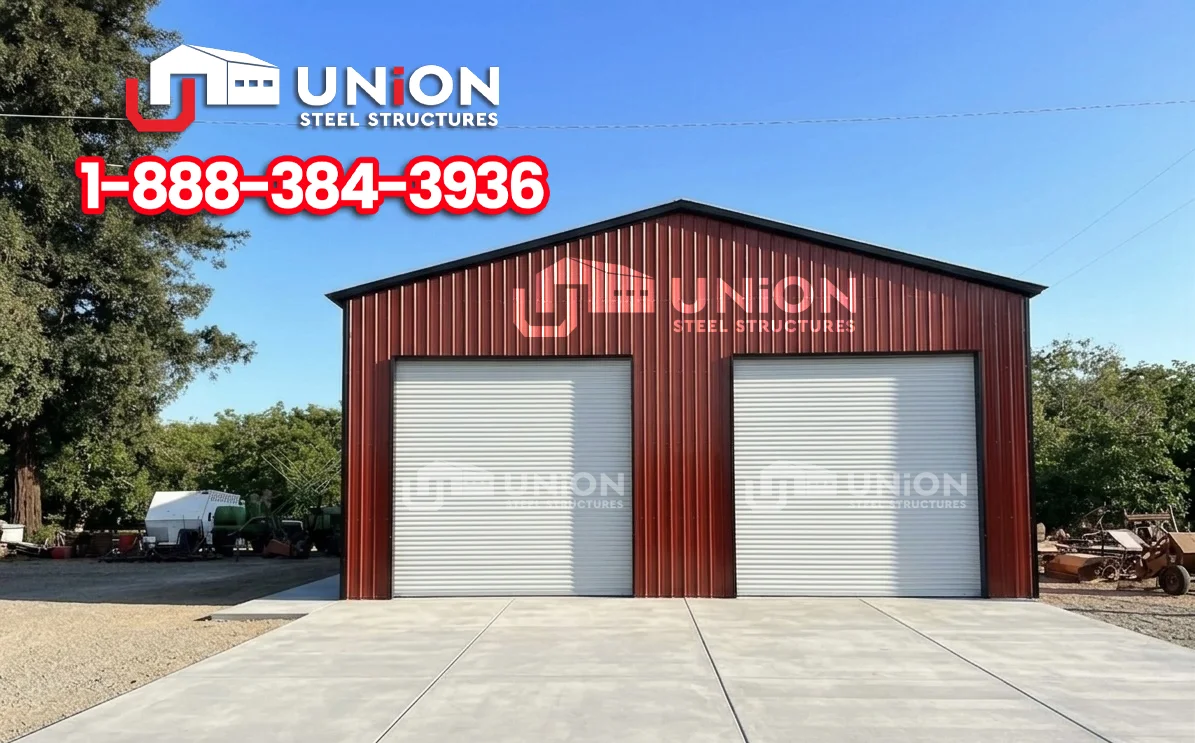
Boxed eave isn't offered across every product line the way regular and vertical are — Union Steel builds it specifically for boxed eave garages, boxed eave RV carports, and boxed eave barns. A boxed eave roof closes in the underside of the roof overhang rather than leaving it open, giving the structure a cleaner, more finished roofline. It's a good fit if you're already leaning toward one of those three building types and want a more architectural look than a basic open eave gives you.
If you started out thinking "boxed eave carport" and you actually want that finished eave look, the closest match in Union Steel's lineup is a boxed eave garage or RV carport rather than a standard carport — worth knowing before you configure a quote for the wrong category.
Matching the Roof to Where You Live
Wind and snow certification requirements vary by region, and they interact directly with roof choice. A structure engineered to meet a higher wind or snow rating uses more material regardless of which roof style it is, but starting with a sturdier roof style in a demanding region means less has to be added on top of it to pass certification. Check with your local building department about your area's requirements before locking in a roof style based on looks or price alone.
Choosing Yours
There's no universally "best" roof style — there's the one that matches your region, your structure's length, and how much finished appearance matters to you. Regular for budget and mild climates, A-frame for a middle ground, vertical for length or serious weather exposure, boxed eave if you're building a garage, RV carport, or barn and want the cleaner roofline.
Union Steel's 3D Builder lets you swap roof styles on your exact size and see the price difference in real time, which is a faster way to decide than comparing spec sheets side by side.
FAQ
Which roof style is cheapest?
A regular roof is the most economical option across Union Steel's carport, garage, and RV carport lines.
Do I have to get a vertical roof for a long structure?
Yes — structures longer than 31 feet require a vertical roof regardless of region.
Can I get a boxed eave roof on a standard carport?
No — boxed eave is built specifically for garages, RV carports, and barns. If you want that look on a shorter vehicle-only structure, a regular or A-frame roof on a carport is the closest equivalent.
Does roof style affect wind and snow certification?
It affects how much additional engineering is needed to meet a given rating, but any of the roof styles can be certified to your local requirement.
Comments
Leave a Comment
Comments are reviewed before they appear.