A building for every need.

You’re choosing between a metal barn and traditional wood construction—a decision that will affect your property for years to come. Whether you need shelter for livestock, equipment storage, or a workshop space, you need clear information before deciding.
This guide breaks down what metal barns actually offer: the advantages, the limitations, and what you should consider for your specific needs.
What You Need to Know About Metal Barns
Metal barns are steel structures, usually pre-engineered for quick assembly and built to last. They require minimal maintenance and handle weather well, but they’re not the right fit for everyone.
The main considerations: metal barns are durable and low-maintenance, but they look different from traditional barns and need proper insulation planning. They work well for equipment storage, livestock shelter, hay protection, workshops, and general storage.
Today’s metal barns have come a long way from the basic designs of the past. Here’s what you need to know to decide if one works for your property.
Why This Decision Impacts Your Property for Decades
Your barn choice affects more than just appearance. For farmers and ranchers, it impacts daily operations, equipment protection, and animal comfort. The wrong choice means constant maintenance pulling you away from actual work.
The financial implications extend well beyond the initial purchase. Maintenance costs, repair frequency, and eventual replacement all factor into the true lifetime cost. Your property value reflects this investment too.
If you’re in an area with harsh weather—heavy snow, high winds, intense sun—your barn faces serious ongoing stress. The structure you choose determines whether you’re repairing damage every few years or barely thinking about it at all.
The Pros and Cons: What You’re Actually Getting
The Advantages of Metal Barns
Durability That Outlasts Wood
Steel barns routinely last 30 to 50 years or more with minimal intervention. Compare that to wood barns averaging 15 to 20 years before major repairs or replacement. Metal won’t rot, warp, crack, or deteriorate the way wood does.
Agricultural metal buildings are engineered to handle your area’s specific wind and snow loads. They stand strong through storms that leave wood structures damaged. And unlike wood, steel won’t fuel a fire—a critical advantage for barns storing hay, equipment, or housing animals.
Maintenance Freedom
You’re done with endless maintenance. No painting. No staining. No sealing. The time and money you’d spend on wood barn upkeep stays in your pocket.
Pests can’t damage steel. Termites, carpenter ants, and rodents that destroy wood barns can’t touch metal structures. For property owners who’d rather spend time working than maintaining buildings, this matters tremendously.
Cost Efficiency Over Time
Metal barns often cost less upfront than wood construction. The bigger savings come over time: no rotted boards to replace, no pest damage to repair, and minimal maintenance costs.
Installation is faster, which reduces labor expenses. Over the barn’s lifetime, metal typically costs less when you account for maintenance and longevity.
Practical Flexibility
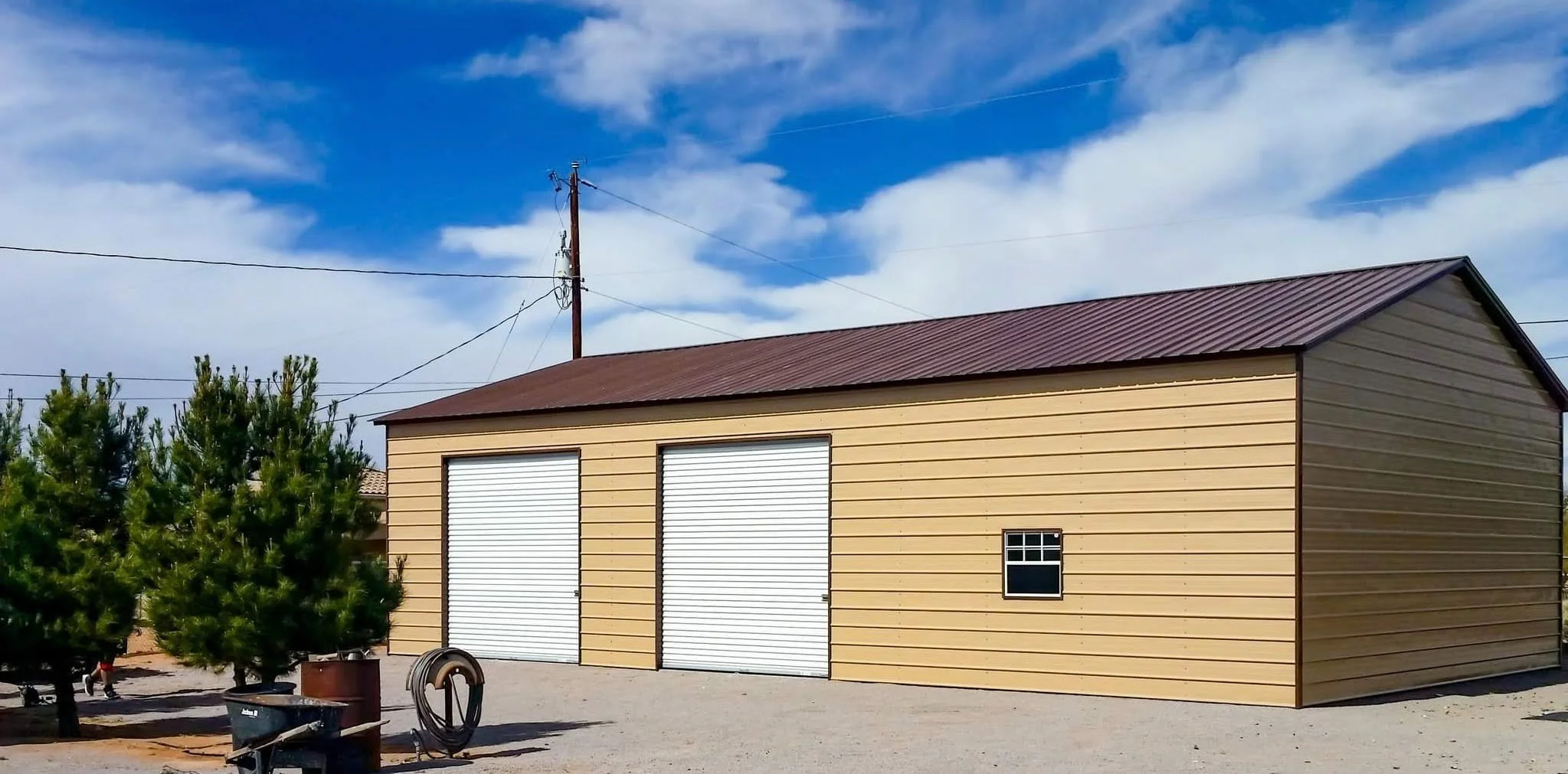
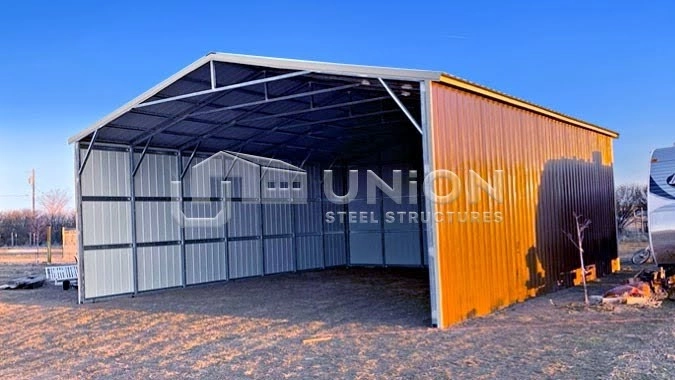
Metal barn buildings offer clear-span designs without interior support posts blocking your space. That means more usable square footage and easier equipment maneuvering. You can customize door placement and interior layout to match your specific workflow.
Need to expand later? Metal barns accommodate additions more easily than wood structures. Whether you’re using it for agriculture today and considering a workshop tomorrow, steel barns adapt to changing needs.
The Drawbacks to Consider
Aesthetic Preferences
Some property owners prefer the traditional barn look. If you’re maintaining a historic property or want that classic rustic appearance, metal might not match your vision. Modern metal barn designs have improved dramatically, but the aesthetic remains different from wood.
Insulation and Temperature
Steel conducts heat and cold efficiently, which isn’t ideal for temperature control. Without proper insulation, metal barns get hot in summer and cold in winter. For livestock comfort or workshop use, you’ll need to invest in insulation.
This adds to your upfront costs. However, proper insulation during construction solves the issue effectively. It’s a consideration, not a dealbreaker, but budget for it if climate control matters for your use.
Condensation Concerns
Metal barns can develop condensation without adequate ventilation, especially in humid climates or with temperature fluctuations. Moisture buildup leads to rust and creates uncomfortable conditions for livestock or stored items.
The good news? This is entirely preventable with correct design and ventilation systems. Working with experienced specialists who understand proper ventilation design means you won’t face this problem.
Upfront Investment
Quality metal barns require proper engineering and premium materials. Certified buildings that meet local building codes cost more than uncertified structures. Some property owners see lower-priced options and assume they’re getting the same thing.
They’re not. While long-term savings typically offset the initial investment, you need to budget appropriately for a barn that’s properly engineered and warrantied.
Avoid These Metal Barn Mistakes
- Don’t skip insulation if you’re in an area with temperature extremes. The savings aren’t worth the discomfort or operational issues later.
- Choosing uncertified buildings to save money backfires when you face code violations, insurance complications, or resale problems. Certified steel barns meet engineering standards for a reason.
- Ignoring ventilation design leads directly to condensation headaches. Plan for proper airflow from the beginning. Think ahead about electrical needs, water access, and potential future expansions too—retrofitting costs more than building it right initially.
- And never buy solely on price without examining warranty coverage and build quality. The cheapest option rarely delivers the best value over decades of use.
Is a Metal Barn Right for Your Property?
Metal barns excel in durability, maintenance freedom, and long-term value. They’re the smart choice for practical property owners who prioritize function, longevity, and time savings over traditional aesthetics.
Consider insulation needs for your climate, think honestly about your aesthetic preferences, and ensure you’re working with specialists who provide properly engineered, certified structures. When built correctly, steel barns deliver decades of reliable, low-maintenance service.
Ready to explore your metal barn options? Our team can help you design a steel barn that fits your agricultural or residential needs perfectly. Give us a call today at (888) 384-3936 or use our 3D Builder tool to start designing your custom metal barn.
Get a Quote Online
We’re here to make sure you have what you need, when you need it. For more information on our steel buildings and metal structures, contact our building specialist and let us get started on your new project today!